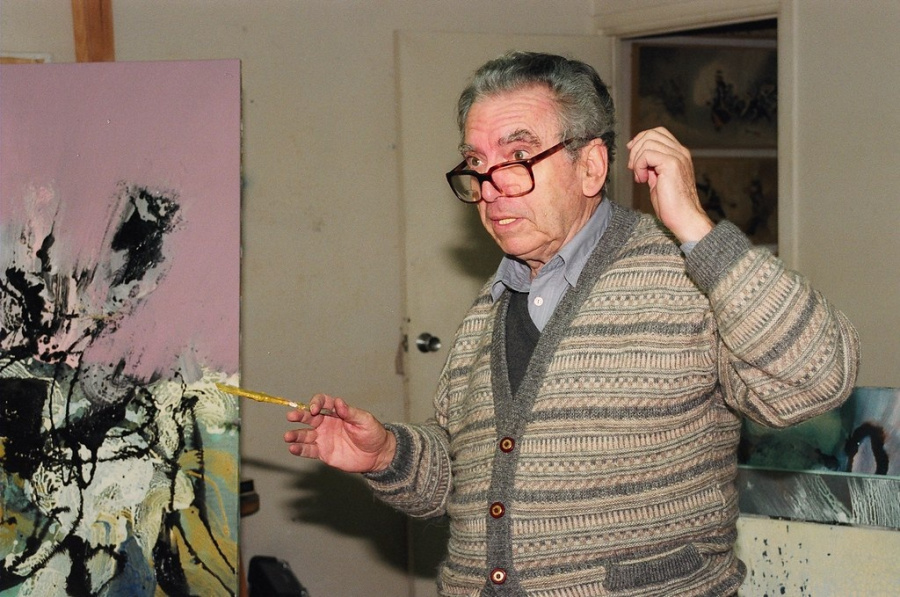
One of the most influential painters, engravers, and art theorists of the post-war Spanish avant-garde, particularly recognized as one of the founding members of the historic Dau al Set group.
He began his art studies in Béziers (France) and later at the Massana School in Barcelona.
In his early days, he was influenced by Cubist painting and Surrealism.
In 1948, alongside Antoni Tàpies, Joan Brossa, Modest Cuixart, Arnau Puig, and Joan Ponç, he founded the avant-garde group Dau al Set.
Tharrats took charge of the direction, layout, and printing of the iconic eponymous magazine, which was key to renewing the Catalan and Spanish art scene.
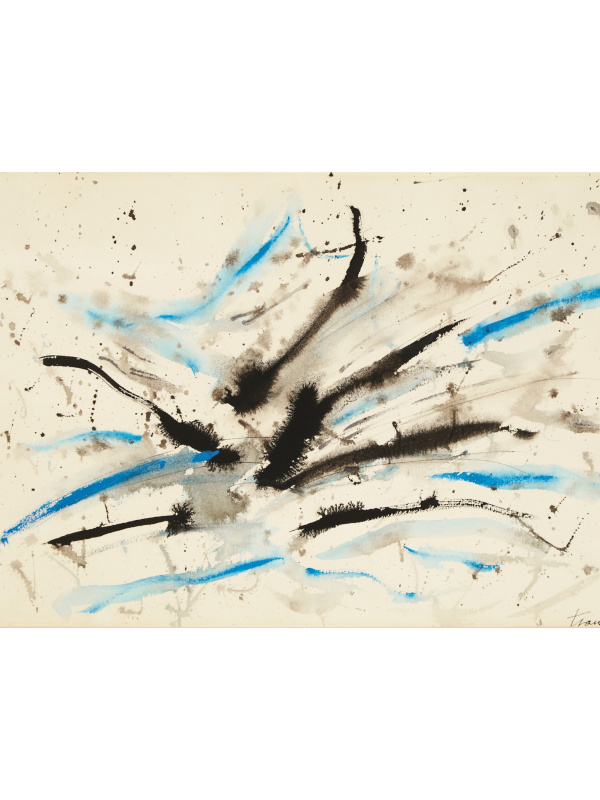
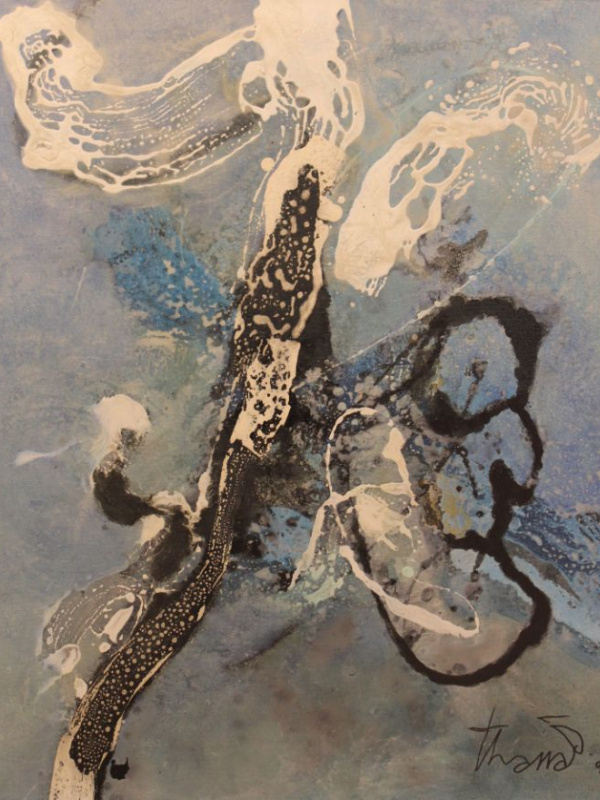
He evolved toward a highly personal Art Informel, characterized by a vibrant explosion of color, compositional dynamism, and the use of dense matter.
He is notable for his innovative "maculatures" (works created from leftover ink impressions during typographic printing processes) and for his contributions to printmaking and silkscreen printing.
He exhibited in the world's leading art centers (including the Venice and São Paulo biennials), and his work is part of the MoMA in New York, the Guggenheim, or the Reina Sofía Museum. He was named a member of the Royal Catalan Academy of Fine Arts of Sant Jordi and awarded the Creu de Sant Jordi (1982) and the Gold Medal for Merit in Fine Arts (1994).